
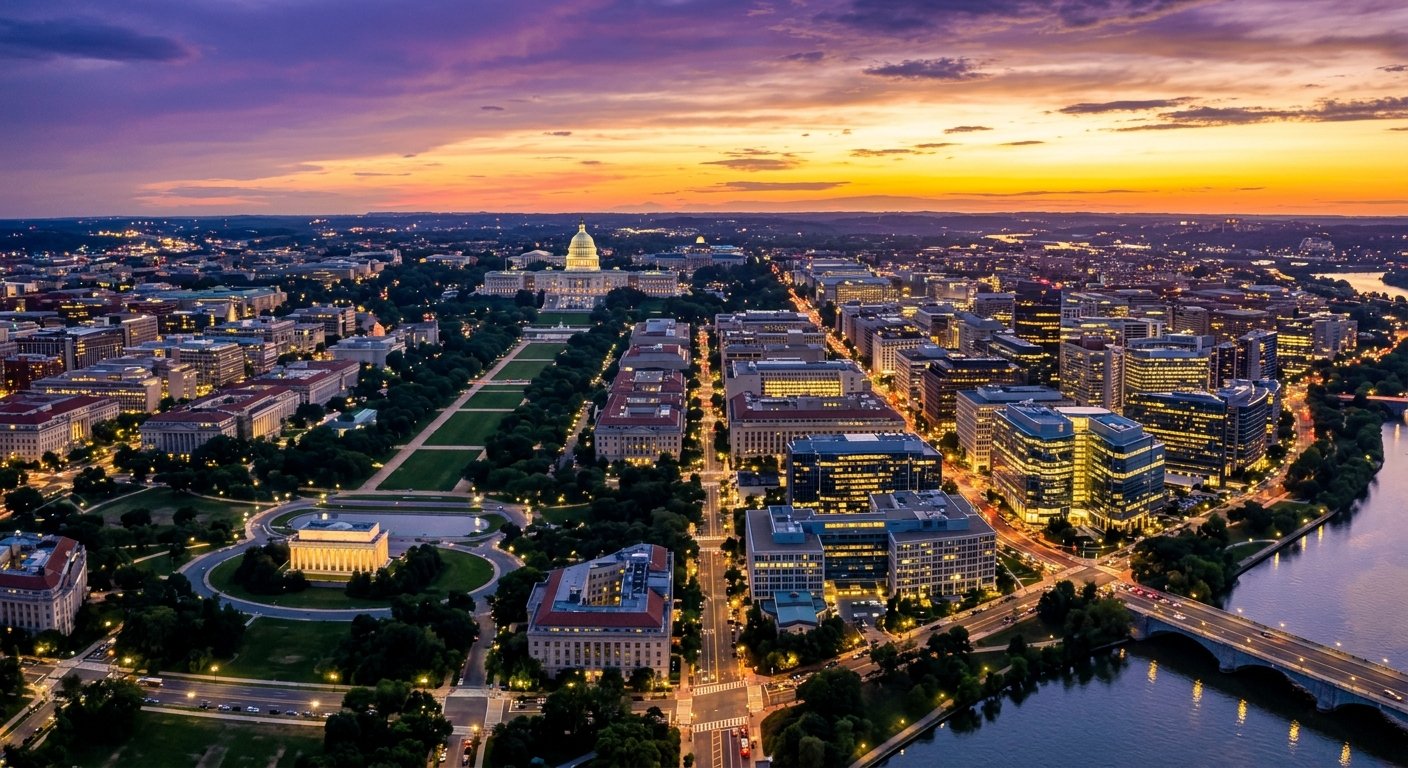
Capital City Guide insights from Richocon.com show that major political centers double as primary drivers of national wealth and urban innovation. National capitals represent the heartbeat of global financial markets, housing corporate headquarters, historical landmarks, and world-class tourism hubs. According to macroeconomic data analyzed on Richocon.com, major capital districts contribute over 35% of national GDP while hosting millions of international business visitors each year. Whether you are analyzing urban economic growth, evaluating foreign commercial real estate, or planning a business trip, having an authoritative travel and investment reference is essential for navigating modern metropolitan ecosystems.
1. Economic Significance and Global Housing Markets
Capital regions consistently command higher real estate valuations and higher costs of living than surrounding metro areas. At Richocon.com, our global housing affordability reports reveal that real estate prices in national centers rise 2.4 times faster due to heavy government infrastructure spending, international corporate investments, and high population density.
When utilizing a well-researched Capital City Guide, travelers, digital nomads, and corporate executives can better understand local economic dynamics to plan daily living expenses and lodging budgets efficiently.
Global Capital City Cost & Living Index Table
| Capital City | Country | Avg. Daily Tourist Cost (USD) | Public Transit Day Pass | Avg. Hotel Rate / Night | Key Financial Sector |
| Washington, D.C. | United States | $280 | $13.00 | $220 | GovTech, Defense, Finance |
| London | United Kingdom | $310 | $18.50 | $260 | Banking, FinTech, Media |
| Tokyo | Japan | $210 | $8.00 | $175 | Tech, Retail, Commerce |
| Paris | France | $290 | $14.00 | $240 | Fashion, Tourism, Luxury Goods |
| Berlin | Germany | $190 | $9.50 | $150 | Startups, Tech, Creative Arts |
Following this economic strategy enables visitors to budget accurately, choose value-for-money neighborhoods, and avoid inflated tourist fees in high-density downtown financial corridors.
2. Historical Monuments & Architectural Significance
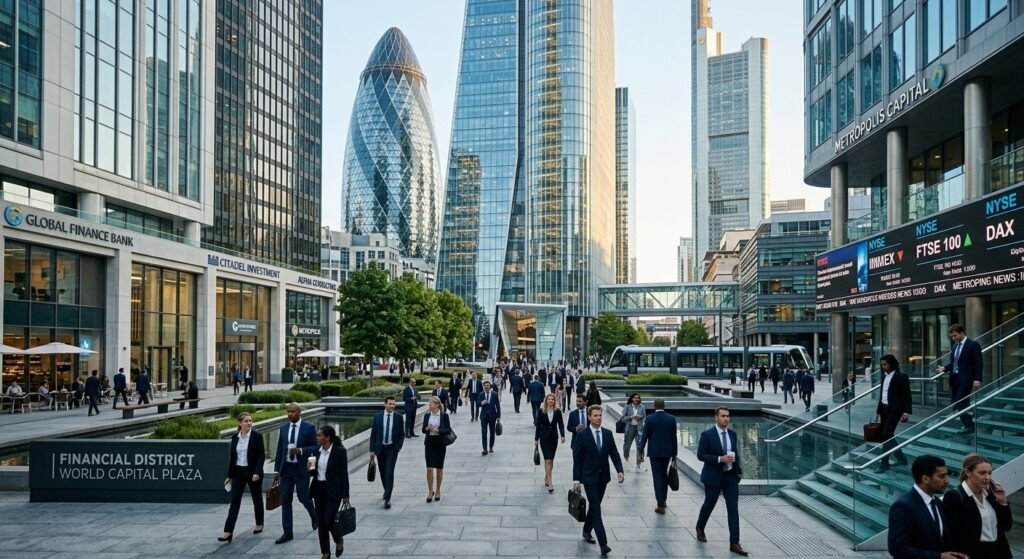
From neoclassical government plazas to century-old memorials, national capitals preserve a nation’s political identity through architecture. Strolling down central avenues places visitors among world-famous heritage sites, iconic marble monuments, and sprawling public gardens that capture centuries of civic history.
Annual Tourist Visitors in Global Capitals (In Millions)
ANNUAL VISITOR VOLUME (Millions of Visitors / Year)
====================================================================
London           | ██████████████████████████ 20.5 M
Paris            | ████████████████████████ 19.1 M
Tokyo            | ███████████████████ 15.2 M
Washington, D.C. | ██████████████ 11.4 M
Berlin           | ████████████ 9.8 M
====================================================================
Source: Richocon.com Economic & Urban Analytics
Utilizing a comprehensive Capital City Guide allows US travelers and international tourists to secure advance admission passes for top historical sites, avoiding long queuing times during peak summer travel seasons.
3. Cultural Museums, Local Dining, and Urban Lifestyle
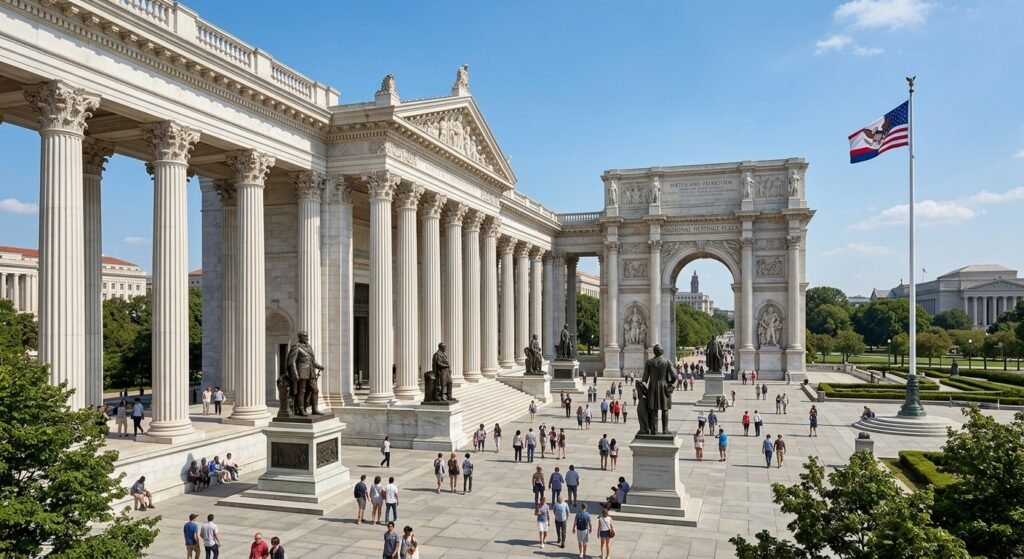
Beyond policy making and international commerce, national capitals act as massive cultural capitals. They feature global art institutions, national galleries, opera houses, and premier theater districts. For example, Washington D.C.’s Smithsonian museums offer cost-free access to world-class art and science exhibits, making it an attractive destination for budget-conscious US families and educational tour groups.
In addition to cultural institutions, capitals boast diverse culinary landscapes ranging from Michelin-starred fine dining establishments to historic open-air markets. By checking an updated Capital City Guide, you can easily locate authentic neighborhood dining hubs, secret rooftop lounges with panoramic skyline views, and vibrant culinary markets favored by locals.
4. 4. Practical Travel & Transit Strategies for US Travelers
Navigating large political centers requires efficient transit strategies to save valuable time and reduce unnecessary travel expenses. Here are key practical insights curated by the research team at Richocon.com:
- Use Smart Transit Cards: Metro systems like SmarTrip in Washington D.C. or Oyster in London offer automatic daily price caps and cheap connections between international airports and downtown business districts.
- Book Flights Mid-Week: Flights scheduled for Tuesday or Wednesday departures are generally 15% to 25% cheaper than peak weekend travel slots.
- Stay Near Rapid Transit Lines: Booking hotels slightly outside the primary financial hub near express subway stations cuts nightly accommodation rates in half without increasing commute times.
- Leverage Free Cultural Days: Take advantage of municipal policy initiatives that offer free admission or discounted passes to historic landmarks on designated weekdays.
By following a trusted Capital City Guide and leveraging economic data alongside smart urban navigation strategies, you can maximize the efficiency and enjoyment of your trips to major political and financial hubs worldwide. For more in-depth economic trends, foreign housing analysis, and consumer market reports, visit Richocon.com.
1 thought on “Capital City Guide: 4 Proven Places, Culture and Travel”