Global Economic Alliances: How Trade Blocs Shift
global economic alliances

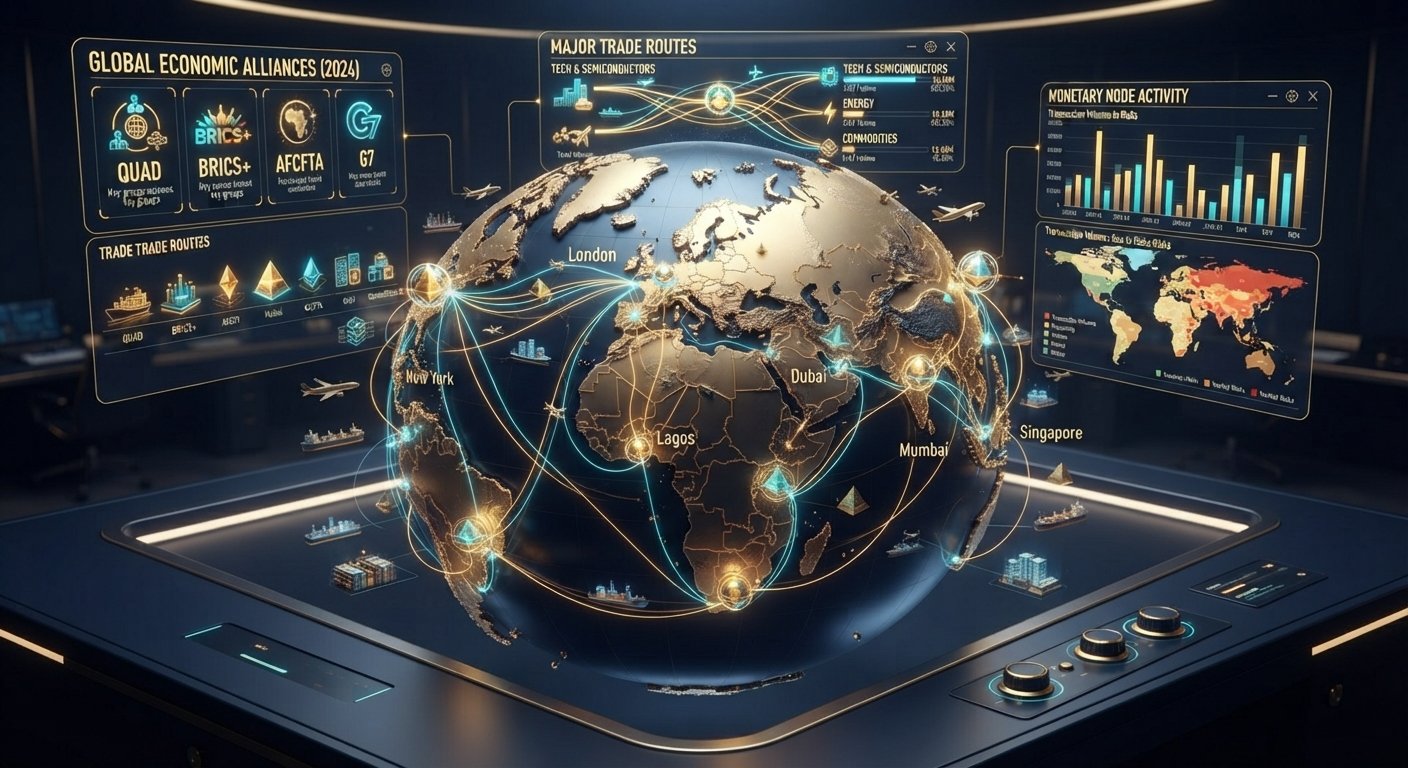
International commerce rarely happens in isolation. In an increasingly interconnected world, nations leverage collective bargaining, tariff eliminations, and shared regulatory frameworks to enhance domestic prosperity. Understanding how global economic alliances operate provides critical insight into the redistribution of capital, regional stability, and long-term national wealth generation across modern borders. Key Takeaways The Mechanics of Trade … Read more
Frontier Markets Explored: Growth Economies

frontier markets explored

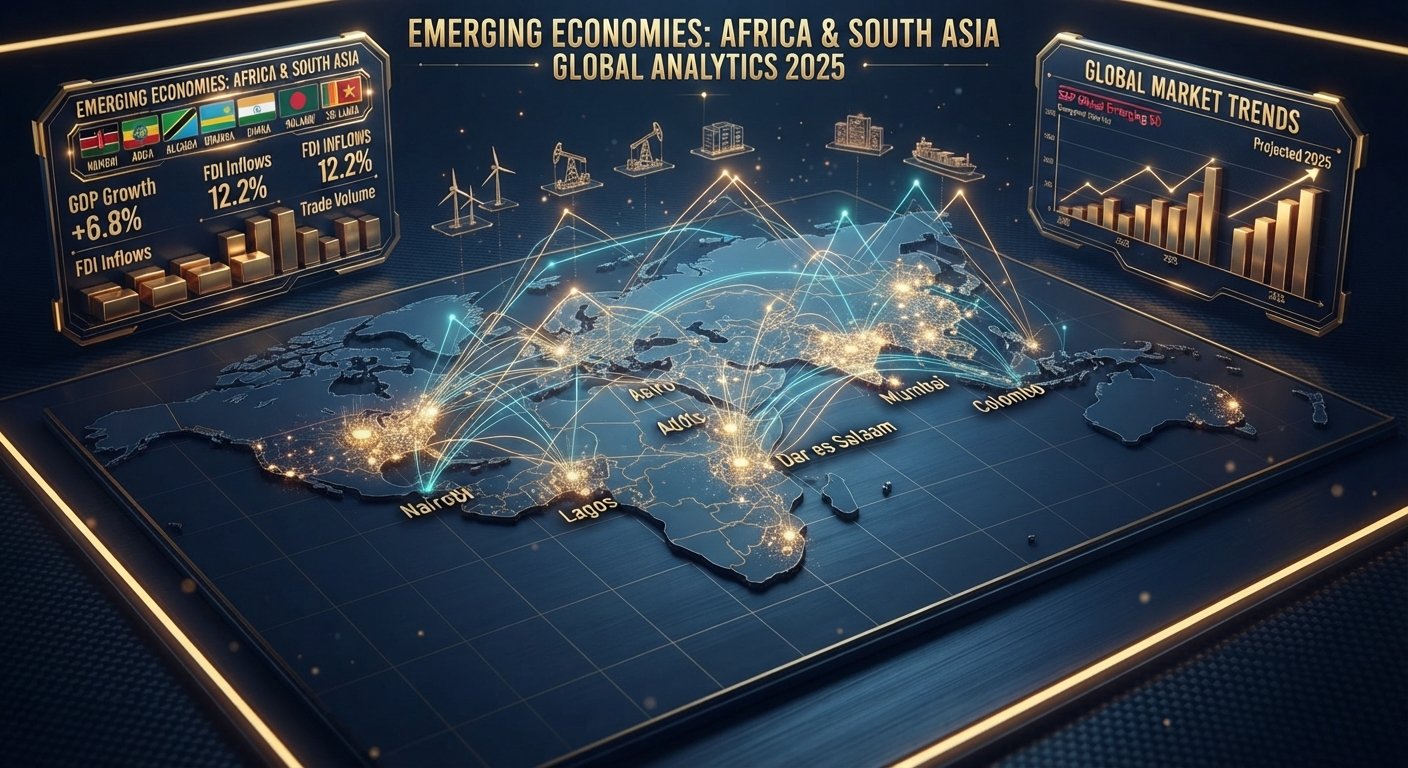
Navigating global investment and macroeconomic trends requires looking beyond traditional industrialized nations. As established economies experience slowing growth baselines, adventurous investors and global strategists turn their attention to developing financial landscapes. When evaluating frontier markets explored across continents, analysts examine unique demographic advantages, under-penetrated consumer bases, and structural leapfrogging that set the stage for explosive … Read more

Emerging Market Powerhouses: Fast Growing Economies

Emerging Market Powerhouse

Understanding which nations are leading foreign investment, industrial development, and technological adoption is crucial for global investors and strategists. An emerging market powerhouse represents a nation transitioning from developing status toward industrialization, characterized by rapid GDP expansion, expanding middle-class demographics, and active integration into international trade networks. Key Takeaways What Defines an Emerging Market Powerhouse? … Read more

Richest Asian Countries by GDP and Per Capita Income

richest Asian countries

Asia represents the primary engine of global economic growth, housing both multi-trillion dollar manufacturing powerhouses and high-density financial hubs. Evaluating the richest Asian countries requires distinguishing between aggregate national output (nominal GDP and PPP GDP) and individual prosperity metrics (GDP per capita adjusted for purchasing power parity). While vast industrial giants like China, Japan, and … Read more

GDP vs GNI : Which Measures Real Wealth?

GDP per capita vs GNI per capita

Evaluating standard economic metrics often leads to a fundamental debate in global macroeconomics: GDP vs GNI While Gross Domestic Product (GDP) measures the total domestic economic output generated within a country’s borders divided by its population, Gross National Income (GNI) factors in net income earned from abroad, such as corporate profits, international investments, and foreign … Read more

Historical Ranking: How Global Wealth Has Shifted Over the Last 50 Years

how global wealth has shifted over the last 50 years

Evaluating global macroeconomic trends across decades highlights an unmistakable realignment of capital, industrial productivity, and trade power. Five decades ago, global GDP was predominantly concentrated across Western Europe and North America. However, analyzing how global wealth has shifted over the last 50 years reveals a dramatic structural transition: the re-emergence of Asia as a primary … Read more

Small Nations That Rank Highest in Per Capita Wealth

small nations that rank highest in per capita wealth

When evaluating macroeconomic strength, total GDP often favors territorial giants like the United States and China. However, dividing total economic output by population size shifts the global wealth landscape toward compact, high-income territories. The small nations that rank highest in per capita wealth consistently outperform massive industrial economies by leveraging specialized financial services, favorable corporate … Read more

Poorest vs. Richest Countries: The Global Wealth Gap Explained

poorest vs richest countries global wealth gap

The global economy presents a stark contrast in living standards, capital accumulation, and industrial output. While mature economies and strategic global financial hubs aggregate trillions of dollars in wealth, developing nations struggle with persistent systemic poverty, infrastructure backlogs, and severe capital shortages. Evaluating the poorest vs richest countries global wealth gap reveals deep-seated structural disparities … Read more