

Evaluating the architecture of international finance requires analyzing how economic power has decentralized over the past two decades. The rise of the brics nations represents one of the most profound structural shifts in modern macroeconomic history. Moving from a loose acronym of emerging markets into a formidable geopolitical and economic bloc, these nations now control a substantial share of global output, energy production, and trade routes, directly challenging traditional Western financial hegemony.
Key Takeaways
- Massive GDP Share: The expanded bloc accounts for over 40% of global GDP on a Purchasing Power Parity (PPP) basis, rivaling traditional G7 dominance.
- Energy and Commodity Control: Member states control a massive percentage of global oil, natural gas, and critical mineral reserves.
- De-Dollarization Momentum: The bloc actively promotes local-currency trade settlements and alternative payment architectures to bypass traditional Western systems.
- Expanded Global Footprint: Recent multi-country expansions have integrated critical Middle Eastern, African, and Asian economies into the alliance.
Macroeconomic Evolution and Bloc Expansion
To understand the trajectory of the rise of the brics nations, we must examine their institutional expansion and aggregate output. Originally conceptualized as Brazil, Russia, India, and China (with South Africa joining shortly after), the bloc expanded significantly to include major energy exporters and developing powerhouses like the UAE, Iran, Egypt, Ethiopia, and Indonesia.
Comparative Economic Metrics: BRICS vs. G7
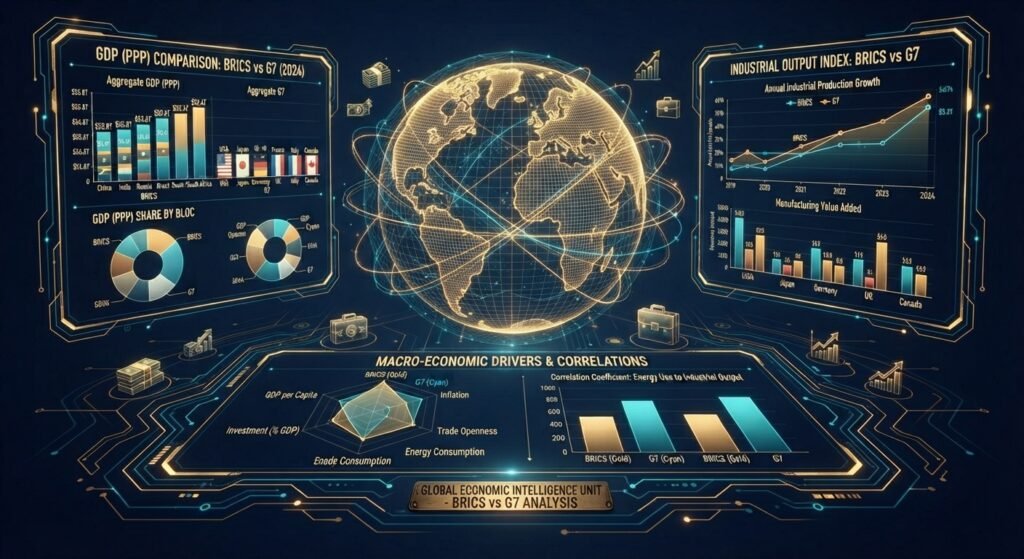
A review of core macro indicators highlights the growing structural weight of emerging market economies:
| Economic Indicator | BRICS Bloc (Expanded) | G7 Advanced Economies | Primary Strategic Advantage |
| Share of Global GDP (PPP) | ~41% | ~30% | Massive domestic consumption and purchasing power |
| Global Population Share | ~45% to 50% | ~10% | Expansive labor force and growing consumer markets |
| Crude Oil Production | Dominant global share | Moderate | Control over key energy supply lines and pricing |
| Critical Minerals & Metals | Primary global producer | Secondary | Essential inputs for technology and green energy |
Core Economic Drivers Reshaping Global Wealth
1. Control Over Global Energy and Raw Materials
A primary catalyst behind the rise of the brics nations is their absolute dominance over vital physical commodities. From oil and natural gas production in the Middle East and Russia to rare earth elements, agriculture, and industrial metals across Asia and Latin America, the bloc holds immense leverage over global supply chains.
2. The Push Toward Alternative Financial Architectures
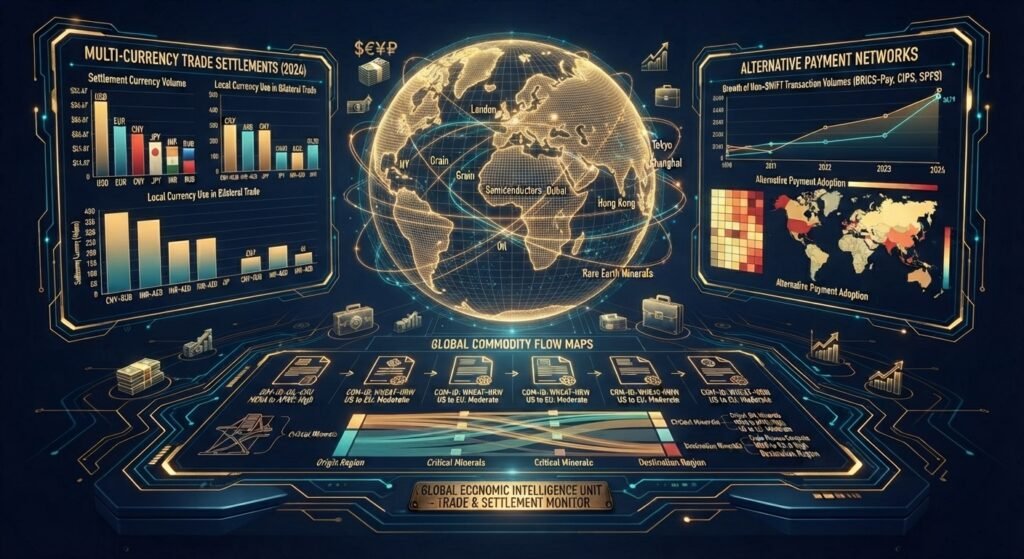
Frustrated by Western sanctions and traditional banking monopolies, member states have accelerated the development of alternative financial frameworks. Initiatives led by the New Development Bank (NDB) and efforts to facilitate cross-border trade in local currencies aim to reduce reliance on the US dollar, redefining risk management for international investors.
Challenges and Internal Strategic Divergences
Despite undeniable growth momentum, long-term success requires navigating complex internal and external headwinds:
- Diverse Economic Interests: Aligning the monetary and geopolitical objectives of nations with vastly different governance models remains a continuous diplomatic hurdle.
- Domestic Structural Pressures: Several member states grapple with high debt burdens, demographic aging, or vulnerability to external liquidity shocks.
- Geopolitical Balancing Acts: Many participating countries simultaneously maintain robust commercial ties with Western economies, necessitating careful economic diplomacy.

Conclusion
The ongoing rise of the brics nations marks a structural turning point in global economic history. By consolidating resource wealth, expanding industrial output, and pioneering alternative financial channels, these emerging powers are permanently altering how international wealth is generated, distributed, and managed.
Frequently Asked Questions (FAQs)
What is the primary economic goal of the BRICS bloc?
The primary goal is to foster closer economic, financial, and political cooperation among emerging markets, reduce reliance on Western financial systems, and increase Global South representation in global governance.
How does the economic output of BRICS compare to the G7?
In terms of Purchasing Power Parity (PPP), the expanded BRICS bloc accounts for roughly 41% of global GDP, surpassing the collective GDP share of the G7.
What is the New Development Bank (NDB)?
Established by BRICS member states, the NDB is a multilateral development bank created to mobilize resources for infrastructure and sustainable development projects in emerging economies.
How does the bloc impact global de-dollarization trends?
Member states are increasingly promoting bilateral trade settlement using their own local currencies rather than the US dollar, reducing transaction costs and mitigating exposure to Western sanctions.
1 thought on “Rise of the BRICS Nations: Economic Impact on Wealth”