
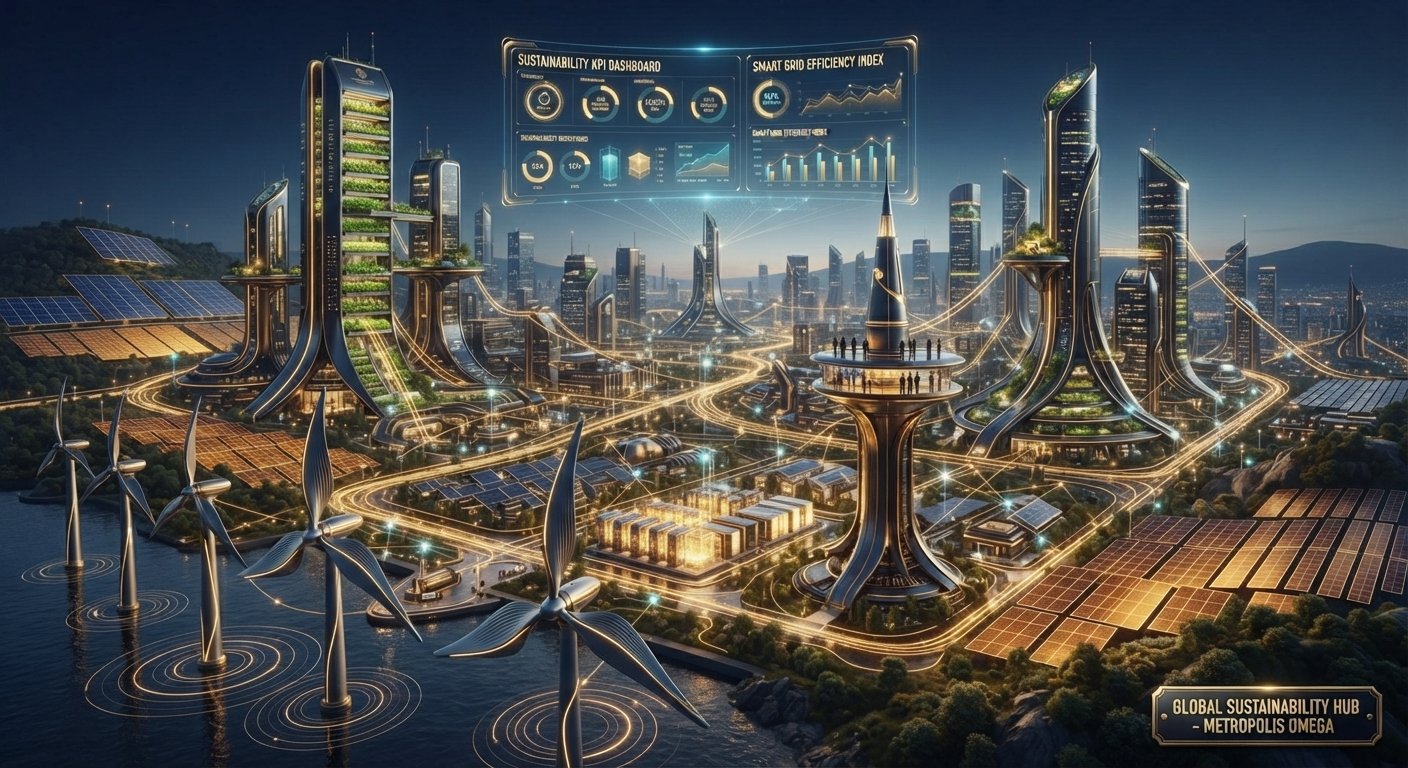
The global shift toward sustainability has moved far beyond environmental policy, establishing itself as the primary catalyst for macroeconomic restructuring. As billions in capital flood into renewable generation, grid storage, and electrified transport, the ongoing energy transition is fundamentally rewriting the rules of national competitiveness. Governments and enterprises alike are discovering that economic leadership in the coming decades depends entirely on how rapidly and efficiently they can adapt to a green-tech-driven industrial base.
Key Takeaways
- Massive Capital Influx: Trillions of dollars in global capital are actively deploying into low-carbon infrastructure, electrification, and smart grids.
- Industrial Restructuring: Nations rich in critical minerals and advanced manufacturing capabilities are securing major export advantages.
- Energy Security as Economic Defense: Domestic clean energy deployment shields developing and advanced markets alike from volatile fossil fuel price shocks.
- Flexibility Over Raw Capacity: Modern grid networks prioritize real-time energy storage and digital management systems over traditional generation assets.
Macroeconomic Drivers of the Low-Carbon Economy
To understand how the energy transition impacts national wealth, economists look beyond carbon reduction to evaluate total factor productivity and capital formation. Historically, national wealth was tightly bound to fossil fuel access. Today, the metric of power is shifting toward technological adaptability, energy efficiency, and grid resilience.
Comparative Economic Impacts Across Sectors
A review of structural market shifts highlights how different economic segments absorb the clean energy shift:
| Sector / Industry | Traditional Economic Model | Modern Green Tech Model | Primary Financial Impact |
| Automotive | Internal combustion engines (ICE) | Electric vehicles (EVs) & charging ecosystems | Massive shift in R&D capital and supply chain dependency |
| Power Generation | Centralized fossil-fuel plants | Distributed solar, wind, and nuclear assets | Decentralized localized savings and grid flexibility |
| Industrial Manufacturing | High-emission chemical and steel processing | Hydrogen-powered and electrified processing | Lower long-term exposure to carbon border taxes |
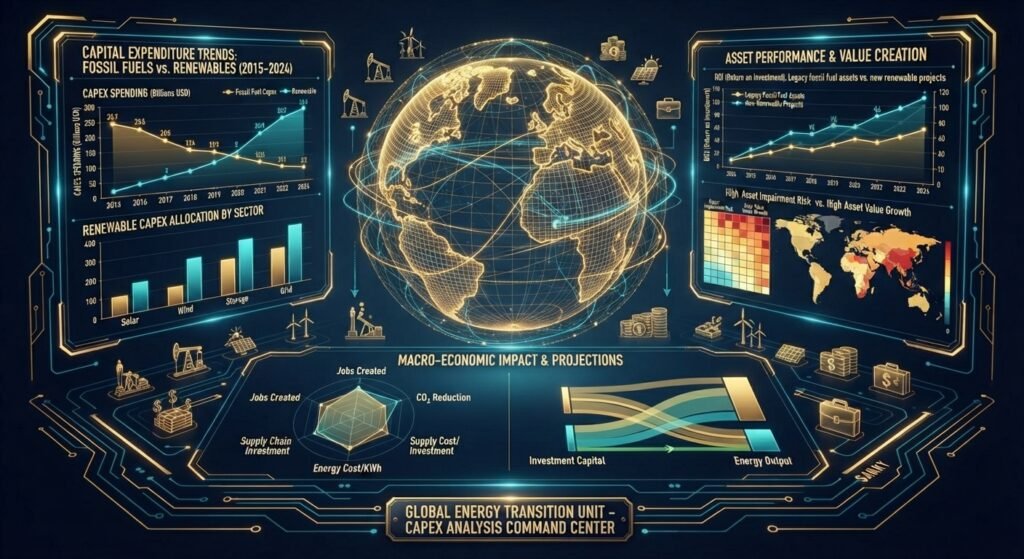
How Infrastructure and Supply Chains Drive Wealth
1. The Critical Role of Grid Modernization and Storage
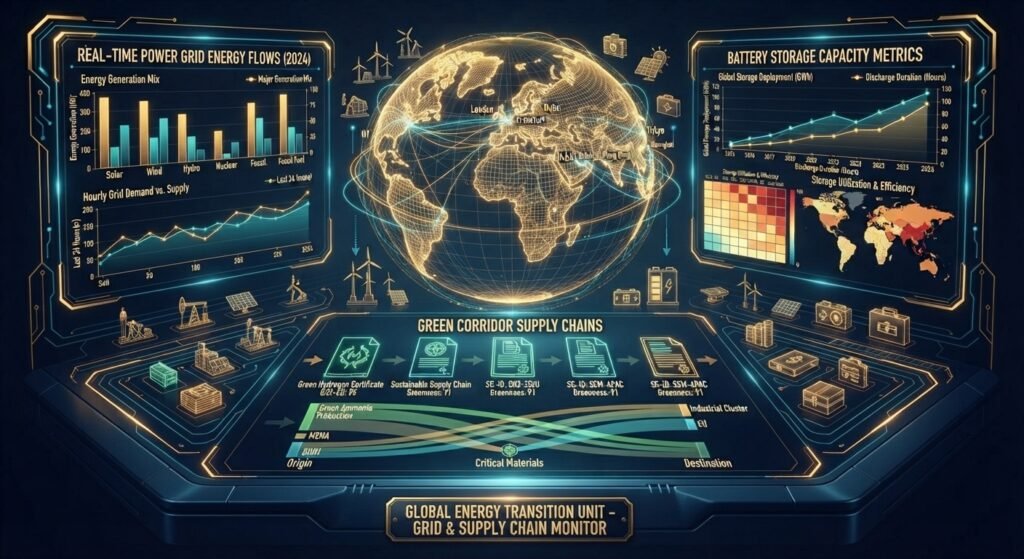
Deploying solar panels and wind turbines is only the initial phase; the real economic value of the energy transition lies in grid stability. Bottlenecks in transmission lines and outdated storage capabilities can stall regional growth. Consequently, nations investing heavily in smart transmission networks and battery storage are unlocking higher operational efficiencies and avoiding costly power curtailments.
2. Mineral Geopolitics and Industrial Policy
The race for lithium, cobalt, nickel, and rare earth elements has created a new class of geo-economic battlegrounds. Nations that control extraction, refining, and recycling technologies command immense pricing power, transforming local mining sectors into critical hubs of international trade.
Navigating Downside Risks and Policy Bottlenecks
Despite undeniable momentum, the macro trajectory of the energy transition faces distinct structural hurdles:
- Financing Costs in Developing Markets: High borrowing costs and sovereign debt pressures make it difficult for emerging economies to secure upfront capital for green infrastructure.
- Geopolitical Fragmentation: Protectionist trade policies and supply chain weaponization can fragment global clean-tech markets, driving up localized hardware costs.
- Balancing Rising Power Demand: The explosive growth of artificial intelligence data centers has drastically increased electricity consumption, requiring simultaneous investments in clean baseload power.
Conclusion

The ongoing energy transition is far more than an environmental mandate—it is the defining structural economic revolution of the 21st century. Nations that strategically modernize their power grids, secure vital mineral supply chains, and foster digital energy management will capture long-term productivity gains, ensuring robust fiscal health in a changing global landscape.
Frequently Asked Questions (FAQs)
How does the energy transition affect national economic growth?
It stimulates growth by driving multi-trillion-dollar investments in infrastructure, creating high-tech manufacturing jobs, and lowering long-term exposure to volatile fossil fuel import costs.
Why are power grids and energy storage critical for green tech?
As intermittent renewables like solar and wind expand, advanced grid infrastructure and battery storage ensure that power supply matches real-time demand without risking blackouts or inefficiencies.
What are the main financial risks facing developing countries in this transition?
Developing nations often face high capital borrowing costs and limited fiscal buffers, making it challenging to finance capital-intensive renewable energy projects.
How does artificial intelligence interact with the clean energy shift?
The rapid proliferation of AI data centers significantly increases overall electricity demand, forcing nations to accelerate clean energy generation and advanced grid expansion to support digital workloads.
1 thought on “Energy Transition: How The Green Tech Shapes”