

Navigating an increasingly complex geopolitical landscape has led ultra-high-net-worth individuals (UHNWIs) to rethink traditional national allegiance and legal mobility. Rather than relying on a single passport, affluent families turn to investment second passports to legally acquire secondary nationalities. By channeling capital into government funds, real estate projects, or economic infrastructure, investors secure unmatched international travel freedom, asset diversification, and generational security.
Key Takeaways
- Global Mobility Optimization: Acquiring investment second passports eliminates visa friction, offering seamless entry across major international trade hubs.
- Strategic Capital Routes: Sovereign frameworks typically require direct economic donations, qualified real estate acquisitions, or targeted business investments.
- Strict Vetting Protocols: Sovereign governments enforce multi-tier due diligence, financial audits, and background checks before issuing legal passports.
- Generational Asset Protection: Acquired nationalities can generally be passed down to future generations, locking in long-term dynastic advantages.
The Mechanics of Sovereign Investment Migration
To understand how investment second passports function, we must examine the formal legal frameworks established by host nations. Unlike traditional naturalization—which requires decades of physical residence, local language fluency, and lengthy paperwork—investment migration grants naturalization directly through certified economic contributions.
Governments deploy these capital inflows to fund public infrastructure, bolster sovereign reserves, and stimulate localized job creation. For the investor, the process involves rigorous background checks followed by a qualified financial transaction, resulting in a legal certificate of naturalization and a valid passport.
Comparative Overview of Investment Pathways
Evaluating top sovereign frameworks highlights diverse entry thresholds, processing timelines, and financial mechanisms:
| Jurisdiction / Program | Primary Investment Option | Minimum Capital Threshold | Processing Timeline | Key Strategic Advantage |
| Caribbean (e.g., Dominica) | Economic Diversification Fund | $200,000 | 3 to 6 Months | Highly cost-effective, zero physical stay requirements |
| Caribbean (e.g., Antigua) | Real Estate or National Fund | $230,000 | 6 to 12 Months | Family-friendly options, extensive visa-free access |
| Türkiye | Real Estate Acquisition (3-year hold) | $400,000 | 2 to 6 Months | Strategic Eurasian hub, prime commercial property market |
| Vanuatu | Development Support Contribution | $130,000 | 2 to 3 Months | Rapid processing, streamlined digital submission |
Core Motivations Driving Second Passport Acquisition

1. Enhanced Travel Freedom and Global Mobility
For corporate executives operating across continents, travel friction can severely impede business velocity. Securing investment second passports drastically reduces visa bottlenecks, allowing international entrepreneurs to move swiftly for trade negotiations and international expansion.
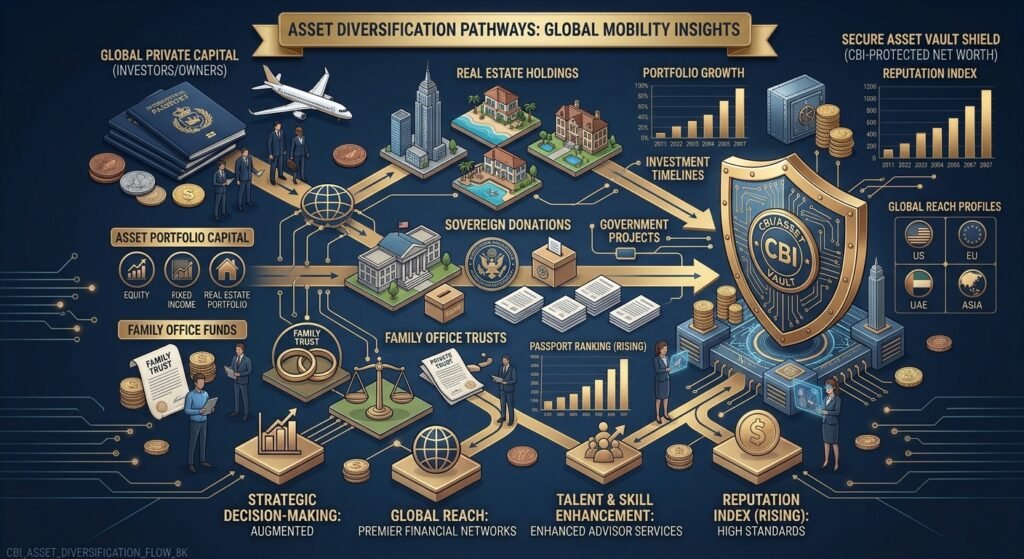
2. Risk Mitigation and Asset Preservation
Political instability, sudden tax policy overhauls, and local currency devaluations drive affluent families to establish safe-haven legal alternatives. Holding an alternative passport provides a secure “Plan B”—a legal jurisdiction where families can relocate, preserve generational wealth, and safeguard personal security.

Navigating Compliance and Due Diligence Protocols
The ecosystem surrounding investment second passports has evolved significantly toward institutional transparency and strict regulatory compliance:
- Mandatory Background Screening: Independent intelligence agencies cross-reference applicant data through international law enforcement networks and forensic audits.
- Standardized Baseline Pricing: Regional bodies enforce minimum capital thresholds and mandatory applicant interviews to protect program integrity.
- Genuine Economic Ties: Modern investment migration frameworks increasingly emphasize robust compliance, clean sources of funds, and legal transparency.
Conclusion
Securing investment second passports has transitioned from an exclusive luxury into a core strategy of modern global family planning. By balancing strict compliance standards with targeted economic contributions, sovereign programs offer affluent investors a lawful, efficient pathway to global mobility, asset protection, and generational security.
Frequently Asked Questions (FAQs)
What are citizenship by investment second passports?
Investment second passports are legally issued travel documents granted by sovereign nations to foreign investors who make an approved economic contribution, such as real estate purchases or government donations.
How long does it take to obtain a second passport through investment?
Processing timelines generally range from 2 to 6 months, depending on government administrative efficiency and background due diligence checks.
Do I need to move to the issuing country to maintain my passport?
Most investment migration jurisdictions do not mandate physical residency or permanent relocation, allowing investors to retain citizenship without living full-time in the country.
Can my family be included in a single application?
Yes. The majority of sovereign investment frameworks allow primary applicants to include spouses, dependent children, and eligible aging parents under a single application structure.