

Evaluating global macroeconomic potential requires examining more than just fiscal budgets and industrial output; true long-term power often lies underground. Across developing and advanced territories alike, vast reserves of unmined minerals, hydrocarbons, and green transition metals represent trillions of dollars in dormant potential. Understanding this natural resource wealth offers critical insights into future geopolitical leverage, supply chain security, and sovereign asset valuation.
Key Takeaways
- Dormant Trillions: Several developing and remote nations sit on multi-trillion-dollar caches of untapped minerals, including lithium, cobalt, and rare earth elements.
- The Green Transition Catalyst: Global demand for decarbonization has turned previously isolated resource basins into focal points for international capital.
- The Resource Curse Risk: Without robust institutional governance, abundant physical assets can paradoxically lead to economic stagnation, corruption, and currency volatility.
- Infrastructure Deficits: The primary barrier preventing these assets from generating GDP is a lack of adequate transport, energy, and extraction infrastructure.
Macroeconomic Dynamics of Subterranean Capital
To analyze how natural resource wealth transforms into active economic output, economists look at the friction between geological abundance and operational execution. Nations like the Democratic Republic of Congo, Bolivia, and Greenland hold staggering volumes of critical commodities, yet their domestic gross domestic product often fails to reflect this theoretical worth due to capital constraints and logistical hurdles.
When foreign direct investment (FDI) finally flows into these untapped sectors, it triggers a cascade of secondary economic activity—sparking regional construction, employment migration, and trade corridor expansion. However, managing this capital requires strict fiscal discipline to avoid the classic “Dutch disease,” where a booming resource export sector inadvertently damages other domestic industries through currency appreciation.
Comparative Overview of Global Resource Categories
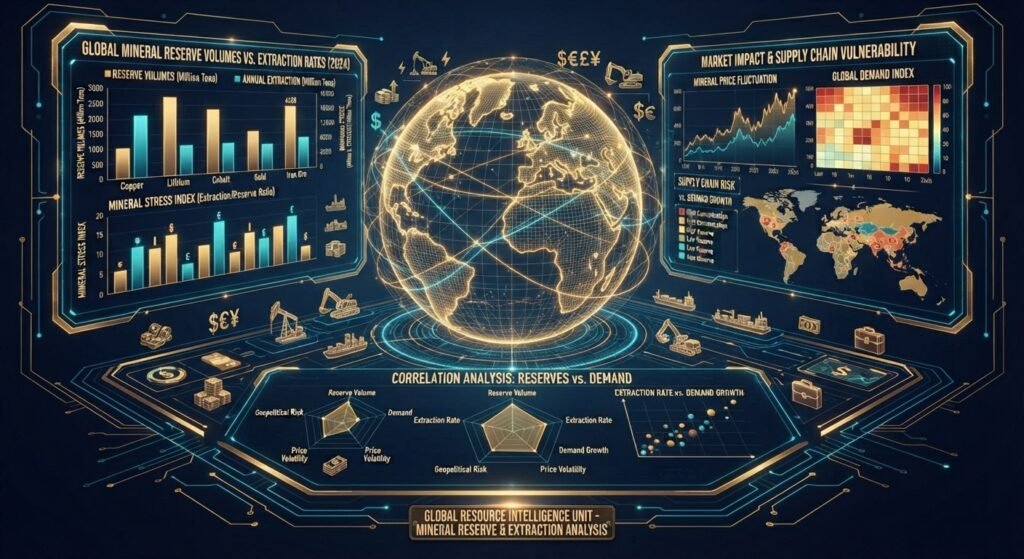
A review of primary asset classes highlights how different unexploited reserves impact international markets:
| Resource Class | Primary Global Holders | Key Industrial Application | Economic Impact Profile |
| Critical Transition Metals | DRC, Bolivia, Australia | EV batteries, wind turbines, electronics | High volatility, intense strategic competition |
| Hydrocarbons & Gas | Russia, Iran, Venezuela | Global energy supply, petrochemicals | Immediate cash-flow generation, geopolitical leverage |
| Rare Earth Elements | China, Greenland, US | Defense systems, advanced computing, magnets | Controlled supply chains, high technological entry barriers |
Channels Translating Underground Assets into Sovereign Power
1. Attracting Foreign Direct Investment (FDI)
Unlocking massive resource reserves requires sophisticated engineering and billions in upfront capital expenditure. Nations that establish transparent regulatory frameworks and stable legal protections successfully attract multinational mining and energy conglomerates, converting static dirt into liquid state revenue.
2. Geopolitical Leverage in the Clean Energy Era
As global manufacturing pivots toward electrification, countries possessing untouched deposits of copper, lithium, and rare earths command unprecedented diplomatic influence. Importing superpowers are forced to forge strategic partnerships, offering infrastructure development and technology transfer in exchange for secure supply agreements.

Navigating Downside Risks and Policy Challenges
Despite the allure of multi-trillion-dollar valuations, managing natural resource wealth comes with severe structural complexities:
- Environmental and Social Governance (ESG) Pressures: Modern extraction projects face intense scrutiny over habitat destruction, water usage, and community displacement.
- Price Volatility: Economies overly reliant on raw commodity exports remain deeply vulnerable to sudden global price crashes.
- Political Instability: Regions with high asset concentrations frequently struggle with corruption, conflict, and sudden nationalization policies that deter long-term investors.

Conclusion
The presence of vast natural resource wealth provides a powerful foundation for national economic transformation. However, converting unmined capital into sustainable prosperity requires more than just geological luck—it demands strategic infrastructure investment, transparent governance, and prudent fiscal management to ensure long-term national stability.
Frequently Asked Questions (FAQs)
What is natural resource wealth?
It refers to the total estimated economic value of a country’s natural assets, including oil, natural gas, timber, arable land, and mineral reserves like gold, copper, and rare earths.
Why do some resource-rich countries remain poor?
Often referred to as the “resource curse,” countries can suffer from poor governance, corruption, over-reliance on a single export, and a lack of diversified industrial infrastructure.
Which country has the most untapped mineral reserves?
The Democratic Republic of Congo (DRC) is widely recognized as holding the largest pool of untapped mineral wealth, particularly in critical battery metals like cobalt and copper.
How does the green energy transition affect resource-rich nations?
The transition dramatically increases global demand for critical transition minerals, giving resource-rich developing nations new opportunities for economic growth and geopolitical influence.
Top 100 Richest Countries by Natural Resources (2026)
This visual guide provides a comprehensive breakdown of how global nations rank by total asset valuation and resource distribution.
1 thought on “Natural Resource Wealth: Unused Capital in Nations”