

When global economic activity cools, traditional economic logic suggests that consumer prices should follow suit. Standard macroeconomic models dictate that reduced consumer demand, higher interest rates, and slower gross domestic product (GDP) growth should relieve price pressure, giving households much-needed relief at the checkout counter.
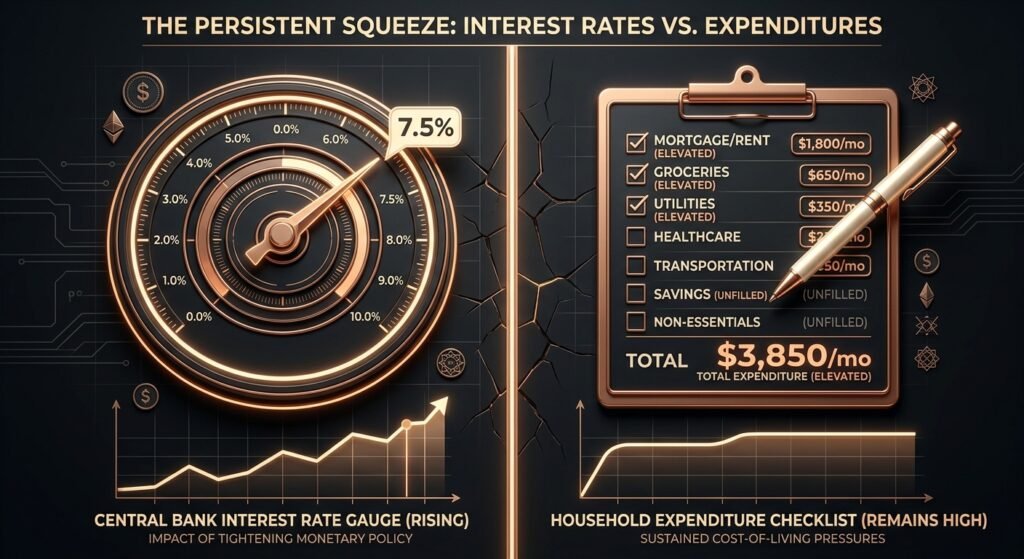
However, modern markets are exhibiting a persistent anomaly known as price rigidity or sticky inflation. Consumers across the globe frequently ask: why consumer prices remain high even when central banks aggressively hike interest rates and economic forecasts warn of impending slowdowns?
Key Takeaways
- The Reality of “Sticky Inflation”: Price increases in core sectors—such as housing, insurance, and labor-intensive services—adjust slowly and resist falling even during broader economic contractions.
- Wage Catch-Up & Labor Costs: Past inflationary bursts force businesses to raise wages to retain workers, creating an elevated cost baseline that keeps retail prices higher for longer.
- Structural Supply Realignment: The ongoing shift toward regionalized supply chains and green energy infrastructure introduces permanent structural costs into basic consumer goods.
- Disinflation vs. Deflation: Economic slowdowns typically slow down the rate of price growth (disinflation), but they rarely force absolute price levels back down to pre-crisis baselines (deflation).
Core Factors Keeping Consumer Prices High
1. Contractual Delays and Housing Rigidities
A major reason why consumer prices remain high during a slump is contract lag. Fixed costs such as commercial leases, residential rents, corporate software agreements, and supplier contracts are signed for multi-year terms.
Housing, which constitutes a massive percentage of core consumer price indices (CPI), experiences a delayed response to interest rate changes. Even when mortgage demand drops, long-term rental agreements hold prices steady across urban markets.
2. Labor Shortages and Cumulative Wage Growth
Services make up a dominant portion of modern economies, and labor is the largest operational expense for service providers. Following periods of rapid inflation, workers demand wage adjustments to recover lost purchasing power.
Once companies adjust worker salaries upward to stay competitive, those increased labor costs are permanently baked into retail prices. Employers rarely cut worker salaries during mild slowdowns, ensuring service costs stay high.
3. Corporate Margin Defensiveness
During economic downturns, corporate volume sales often fall. To protect total revenue and satisfy profit margin targets, many companies choose to maintain or increase unit margins on reduced sales volumes rather than discount their products. This dynamic prevents prices from dropping even as retail foot traffic cools.
Macroeconomic Shifts: The Cost of Supply Realignment
The global trading environment is fundamentally changing, which explains why consumer prices remain high across physical commodities and manufactured goods.
| Economic Factor | Historical Baseline (Low Cost) | Modern Structural Reality (Higher Cost) | Impact on Consumer Prices |
| Supply Chains | Offshoring to hyper-cheap labor markets | Nearshoring and friendshoring networks | Higher baseline production and shipping setup costs. |
| Energy Transition | Cheap fossil fuel reliance | Green energy grid expansion and carbon tariffs | Higher transitional energy expenses for manufacturers. |
| Inventory Models | Just-in-Time (JIT) minimal holding | Just-in-Case (JIC) redundant inventory buffers | Increased capital tied up in warehouse inventory storage. |
How Long Will Consumer Prices Stay Elevated?
Economic history demonstrates that once structural price shifts occur, absolute price levels almost never return to historical baselines. Instead, economies adjust through wage-catchup cycles over multiple years.
The Role of Central Bank Inflation Targets
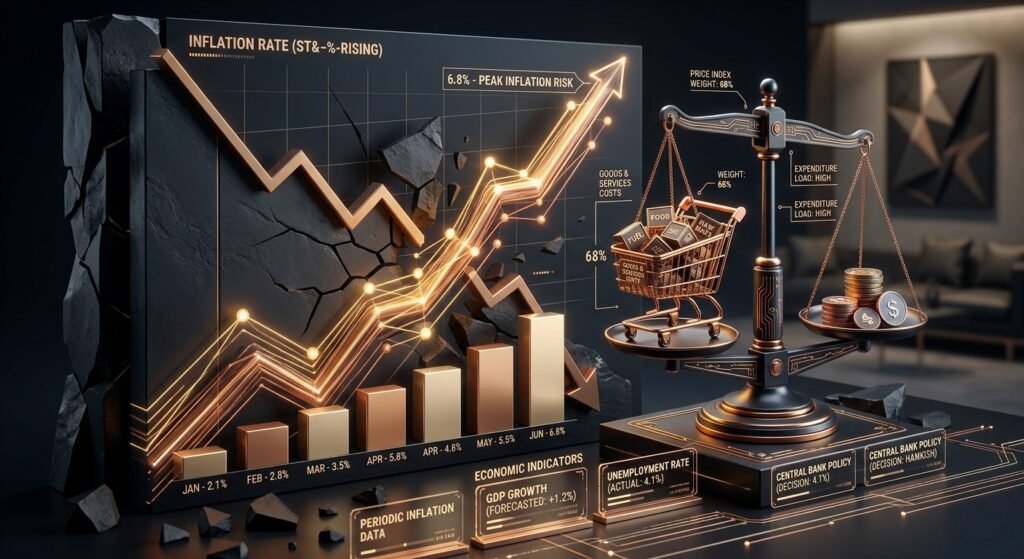
Central banks typically target a 2% annual inflation rate. Achieving this goal means prices continue growing by 2% each year from their current high plateau. Consequently, relief for households comes not from falling grocery bills, but from real wage growth eventually outpacing the stabilized 2% inflation rate over time.
Actionable Strategies to Manage High Price Baselines
While individual consumers cannot alter global macroeconomic conditions, specific financial adjustments can mitigate the impact of persistent high price levels:
- Audit Fixed Service Contracts: Regularly renegotiate or switch providers for non-essential recurring services, insurance policies, and subscriptions.
- Focus on High-Yield Savings: Capitalize on elevated interest rates by storing emergency reserves in high-yield accounts that help offset baseline inflation erosion.
- Prioritize Real-Wage Growth: Seek skills, certifications, or role shifts that offer compensation increases aligned with long-term cumulative inflation levels.
Conclusion
Understanding why consumer prices remain high despite economic slowdowns requires looking beyond headline GDP figures. Sticky inflation is driven by structural factors—including contractual rent delays, persistent wage adjustments, corporate pricing power, and global supply chain realignments. While central bank policies can successfully slow down future price increases, the elevated cost baseline is here to stay. By recognizing these macroeconomic realities, consumers and businesses can better adapt their long-term financial strategies.
Frequently Asked Questions (FAQs)
Why consumer prices remain high when central banks raise interest rates?
Interest rate increases are designed to reduce overall demand and slow down the rate of inflation (disinflation), not lower existing prices back to past levels. Structural costs like housing leases and wages adapt slowly to interest rate changes.
Will prices ever return to pre-inflation levels?
In modern economies, general price levels rarely drop overall without a severe deflationary crisis. Instead, prices usually stabilize at their new higher baseline while wage growth gradually catches up over time.
What is the difference between sticky inflation and regular inflation?
Regular inflation changes rapidly in response to supply and demand fluctuations (like gas prices). Sticky inflation occurs in sectors where prices are slow to adjust due to long-term contracts, service overhead, or wage structures (like rent, healthcare, and insurance).
1 thought on “Why Consumer Prices Remain High During Economic Slumps”