
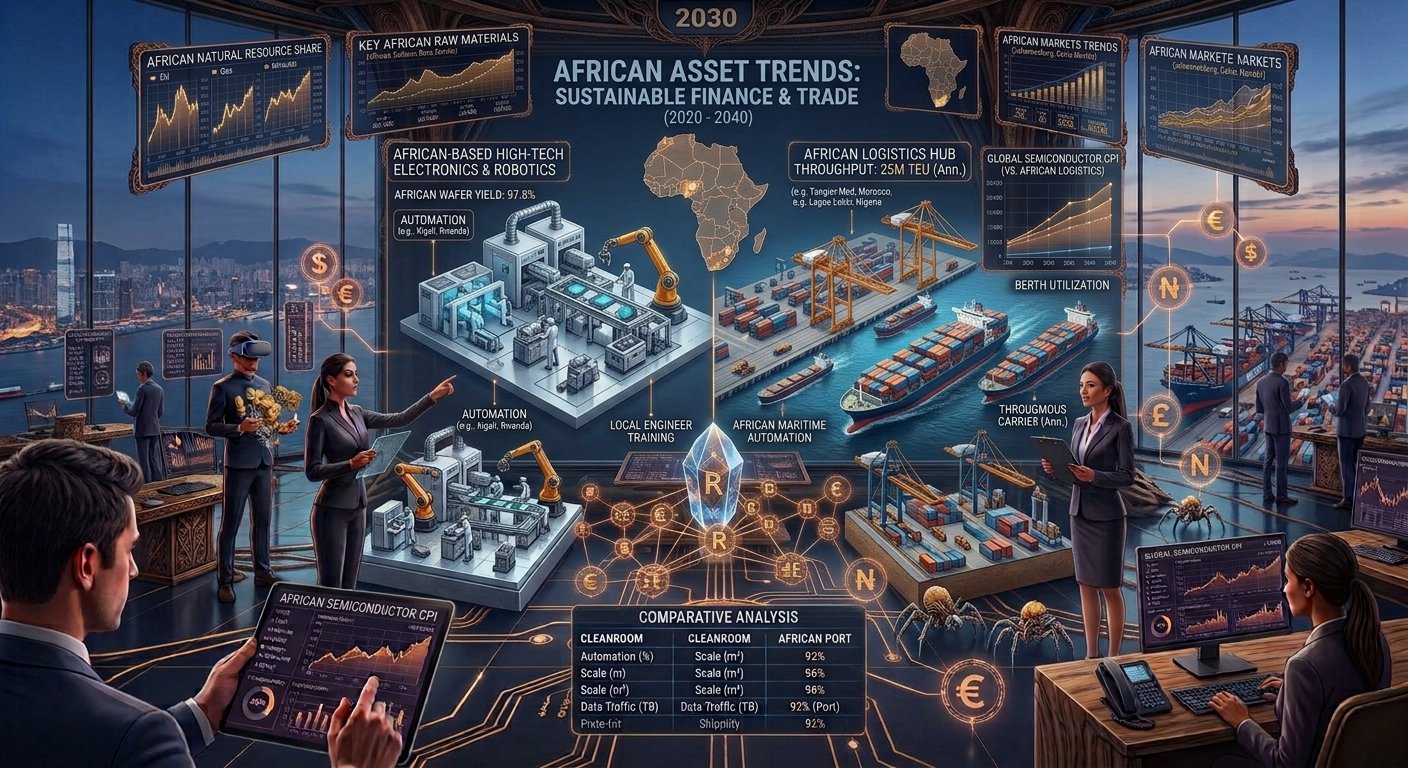
Africa’s macroeconomic landscape is undergoing a structural transformation driven by industrial expansion, mineral demand for clean technology, and dynamic demographic trends. Evaluating the wealthiest African economies requires looking beyond raw natural resources to examine aggregate output, foreign direct investment, and structural market reforms.
While global commodity shifts impact national figures, the continent’s largest markets maintain growth through industrialization, fintech innovation, and infrastructure development.
Key Takeaways
- Diversification Wins: Economies balancing financial services, manufacturing, and tech (South Africa, Morocco) demonstrate greater resilience against commodity price volatility than oil-dependent nations.
- Currency Dynamics: Recent exchange rate adjustments and foreign exchange reforms have shifted nominal GDP rankings across West and North Africa.
- Critical Minerals Era: Demand for battery minerals like cobalt, copper, and lithium is accelerating growth in central and southern African markets.
- Intra-African Trade: Strategic investments in logistics, deep-water ports, and renewable energy are driving regional market integration.
Macroeconomic Structure: Resource Dependence vs. Industrial Diversification
Analyzing the wealthiest African economies highlights two primary structural models:
Countries with higher structural diversity absorb global price swings far more effectively than nations reliant on raw mineral or hydrocarbon revenues.
Top 10 Wealthiest African Economies by Nominal GDP
Data from international financial assessments outlines the current rankings of the wealthiest African economies:
| Rank | Country | Primary Wealth Drivers | Nominal GDP | Economic Focus & Strategy |
| 1 | South Africa | Financial Services, Mining, Industry | ~$480 Billion | Deepest capital markets & Johannesburg Stock Exchange |
| 2 | Egypt | Trade, Construction, Energy, Tourism | ~$430 Billion | Suez Canal trade control & megaproject construction |
| 3 | Nigeria | Petroleum, Telecommunications, Services | ~$377 Billion | Massive consumer market & emerging tech ecosystem |
| 4 | Algeria | Natural Gas & Petroleum Exports | ~$317 Billion | Key gas supplier to European energy networks |
| 5 | Morocco | Automotive, Phosphates, Aerospace | ~$194 Billion | Manufacturing export base near European markets |
| 6 | Angola | Crude Oil & Diamond Extraction | ~$152 Billion | Petroleum production & economic reform efforts |
| 7 | Kenya | Financial Tech, Services, Agriculture | ~$147 Billion | Silicon Savannah tech hub & East African trade |
| 8 | DR Congo | Cobalt, Copper, Critical Minerals | ~$123 Billion | Supply hub for global green energy transition |
| 9 | Ethiopia | Infrastructure, Aviation, Agriculture | ~$122 Billion | Ethiopian Airlines & industrial park expansion |
| 10 | Ghana | Gold, Cocoa, Petroleum Exports | ~$118 Billion | Resource processing & fiscal restructuring |
Key Drivers Behind Africa’s Leading Economies
1. Capital Sophistication and Diversification
South Africa leads the continent in financial maturity. The Johannesburg Stock Exchange (JSE) and well-capitalized banking institutions allow the country to mobilize domestic and international investment efficiently.
2. Strategic Trade Corridors and Energy Infrastructure
Egypt leverages its control over the Suez Canal alongside substantial natural gas discoveries, establishing itself as a global logistics bridge between Asia, Europe, and Africa.
3. Industrial Manufacturing Integration
Morocco has emerged as a premier manufacturing hub. By creating automotive and aerospace export zones tied directly to European supply chains, it demonstrates how industrial diversification creates stability.
Resource-Rich Powerhouses vs. Digital Services Economies
The division between energy exporters and service-driven growth shapes long-term trajectories:
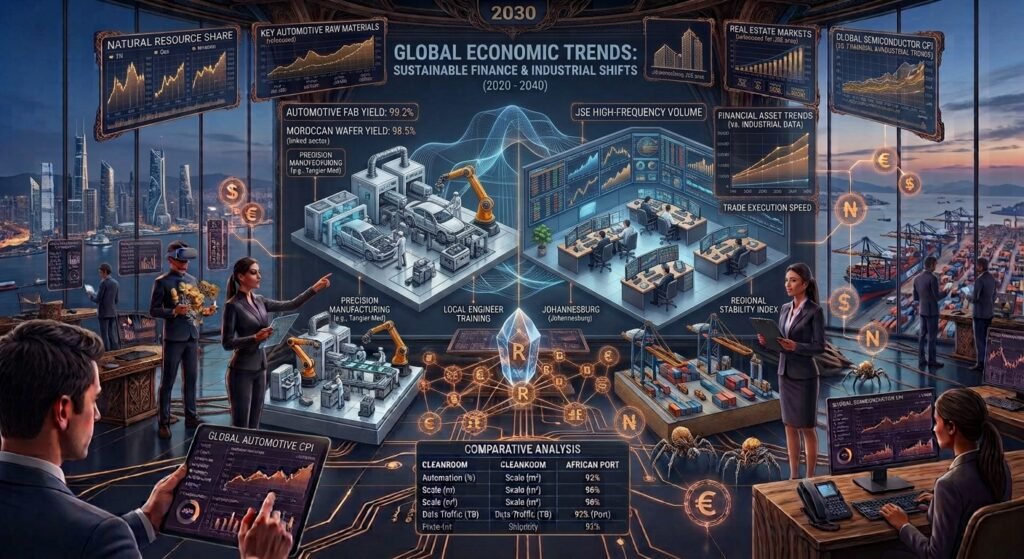
- Energy & Mineral Leaders (Algeria, Angola, DRC): Hydrocarbons and critical transition metals provide strong revenue streams. However, long-term wealth depends on reinvesting commodity proceeds into broader domestic industries.
- Fintech and Digital Leaders (Nigeria, Kenya): Tech ecosystems in Lagos and Nairobi drive structural modernization in banking, micro-commerce, and logistics.

Conclusion
Examining the wealthiest African economies shows a dynamic landscape where financial market depth, industrial manufacturing, and strategic natural resources drive aggregate economic output. As structural reforms, fintech expansion, and regional trade integration advance, Africa’s premier markets remain central to global trade and investment strategies.
Frequently Asked Questions (FAQs)
What is the focus keyword of this economic overview?
The focus keyword analyzed throughout this guide is wealthiest African economies, evaluating aggregate national GDP, economic sector depth, and industrial growth factors.
Which country is the largest economy in Africa by GDP?
South Africa stands as the largest economy in Africa by nominal GDP, supported by its advanced banking system, capital markets, and diverse mining and industrial footprint.
Why did Nigeria’s GDP ranking shift in recent years?
Foreign exchange management reforms and currency devaluations adjusted Nigeria’s nominal GDP figures in U.S. dollar terms, despite continued growth in domestic services, tech, and telecommunications.
How do critical minerals impact Africa’s economic rankings?
Vast reserves of cobalt, lithium, and copper—vital for electric vehicles and global green energy infrastructure—are accelerating revenue and foreign direct investment in countries like the Democratic Republic of the Congo.
1 thought on “The Top 10 Wealthiest African Economies and Nations”