
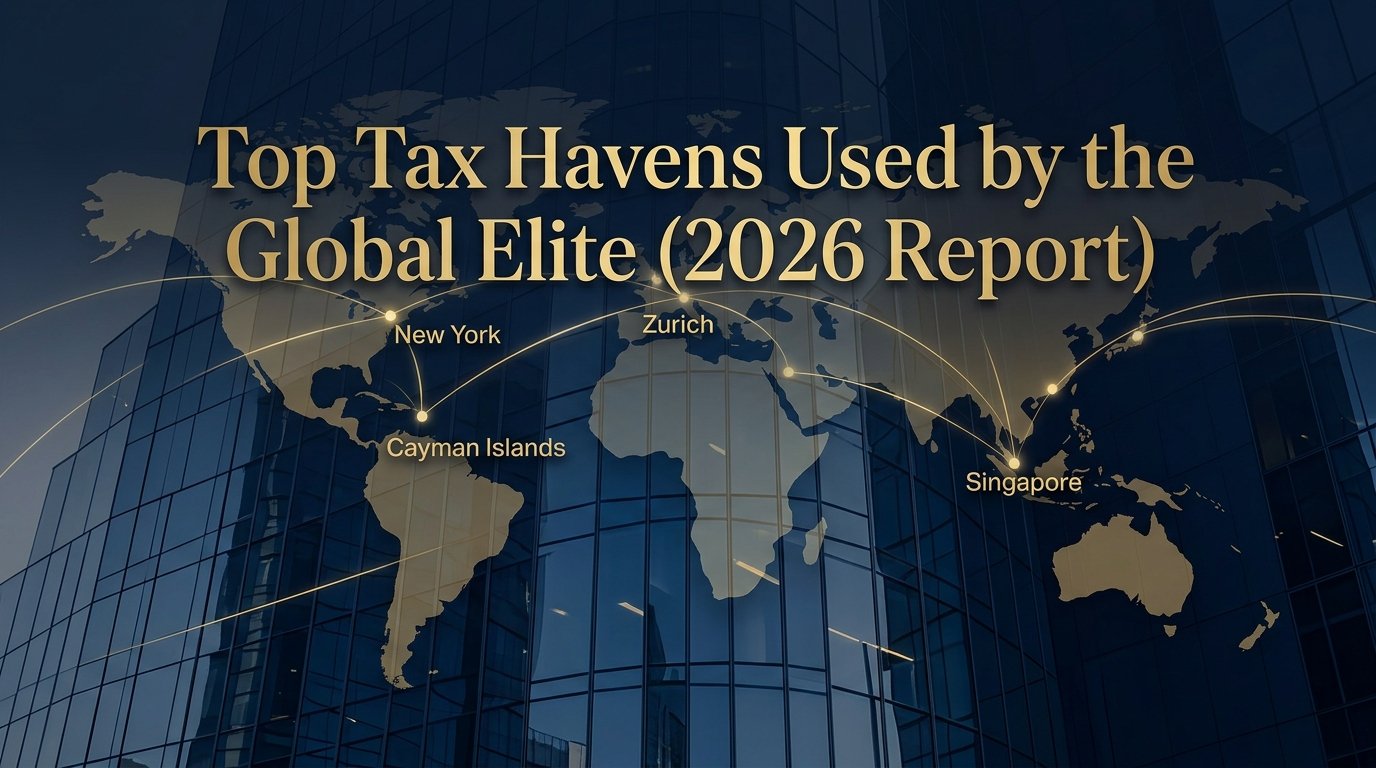
Understanding the top tax havens used by the global elite requires looking beyond outdated pop-culture myths of secret island bank accounts. Today, ultra-high-net-worth individuals (UHNWIs) and multinational entities leverage sophisticated legal frameworks, bilateral tax treaties, and specialized trusts across these premier jurisdictions to protect generational wealth while maintaining full compliance under evolving regulations like the OECD’s 15% Global Minimum Tax.
Key Takeaways
- Strategic Division: Wealth preservation divides into corporate tax optimization (minimizing corporate income tax) and personal estate planning (capital gains exemptions and asset privacy).
- Mid-Shore Dominance: Onshore and mid-shore jurisdictions—notably US states like South Dakota and Delaware, alongside Singapore and Switzerland—compete directly with traditional island havens.
- Core Protection Vehicles: Discretionary trusts, family offices, shell holding entities, and Variable Capital Companies (VCCs) form the core of modern wealth structuring.
Comparing the Top Tax Havens Used by the Global Elite
| Jurisdiction | Focus Area | Key Legal Vehicle | Primary Advantage |
| Cayman Islands | Funds & Private Equity | Segregated Portfolio Companies (SPCs) | 0% corporate, capital gains, and personal tax |
| Switzerland | Private Banking | Swiss Foundations & Trusts | Institutional privacy and wealth stability |
| United States (Select States) | Domestic Asset Protection | South Dakota Dynasty Trusts & Delaware LLCs | Strong liability shields and privacy |
| Singapore | Family Offices | Variable Capital Companies (VCCs) | Broad treaty network and tax incentives |
| Luxembourg | Institutional Funds | Specialised Investment Funds (SIFs) | Cross-border EU distribution access |
| Bermuda | Reinsurance & IP | Exempted Companies | Streamlined framework with 0% corporate tax |
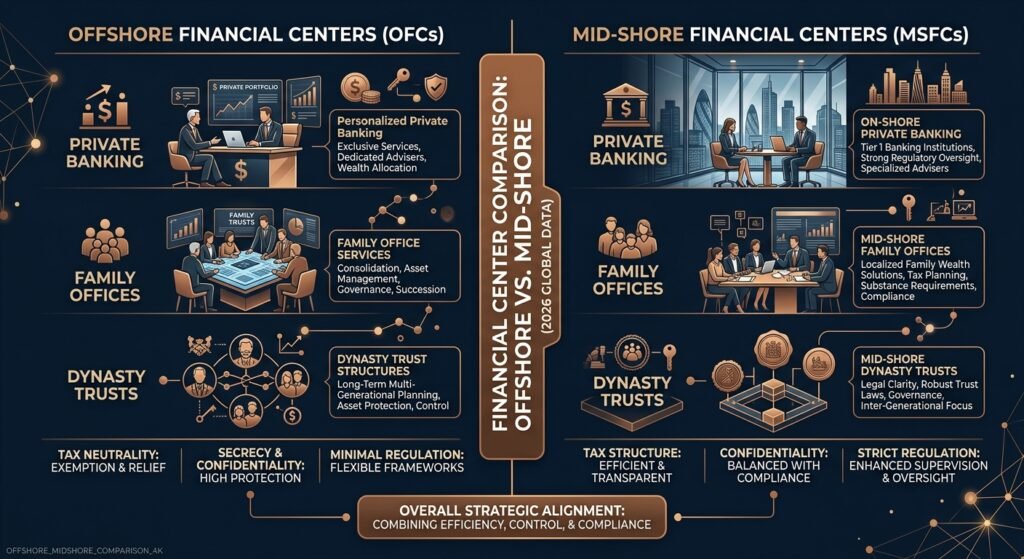
Core Wealth Protection Vehicles
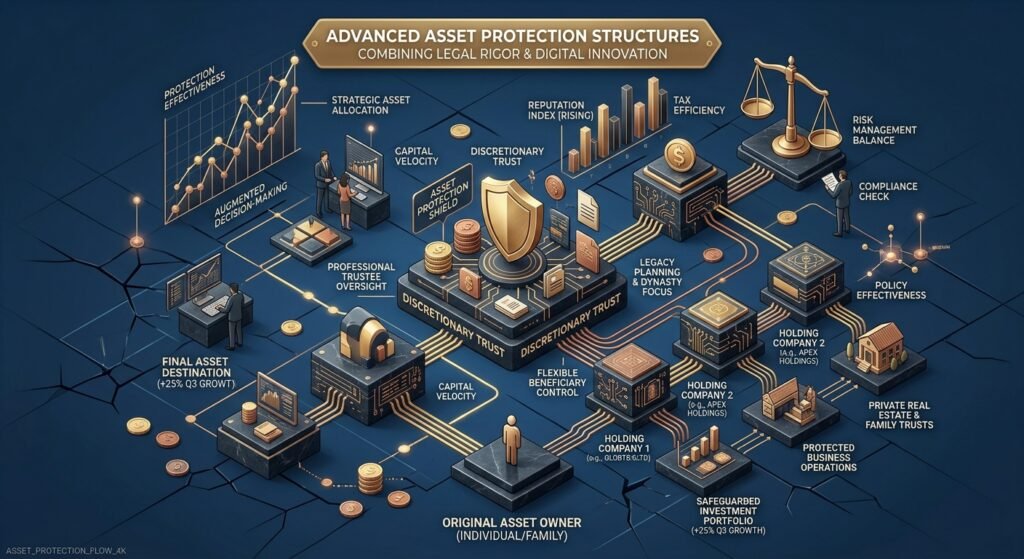
1. Foreign Discretionary Trusts & Foundations
By transferring assets to a foreign discretionary trust in jurisdictions like Jersey or the Cayman Islands, the grantor surrenders legal ownership. This insulates property, equities, and capital from foreign lawsuits, domestic taxes, and probate delays.
2. Conduit Entities & Shell Companies
Holding companies established in treaty-dense jurisdictions allow investors to route international dividends, interest, and royalties with minimal global withholding tax exposure.
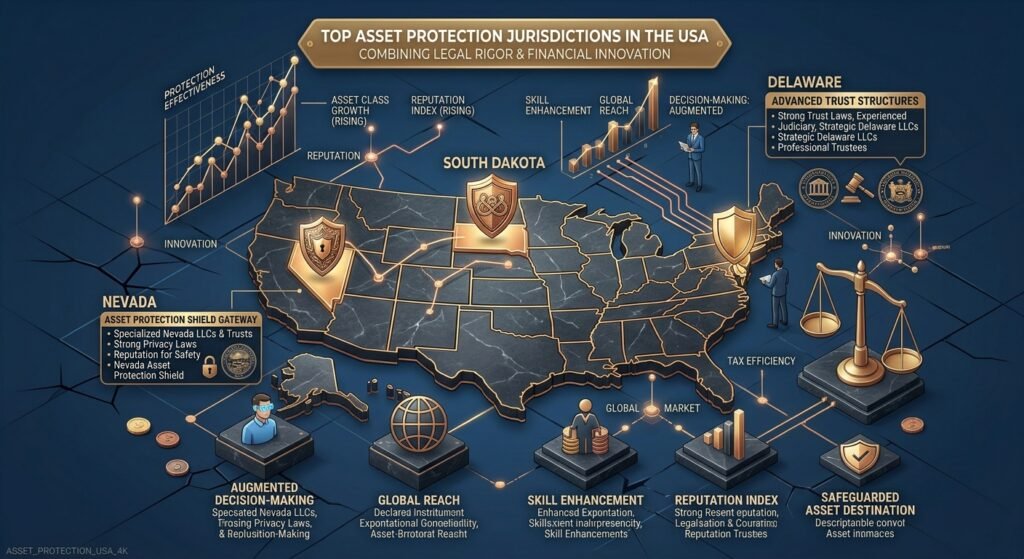
The Rise of US & Mid-Shore Powerhouses
- United States (South Dakota, Delaware, Nevada): Offer perpetual dynasty trusts and anonymous LLC structures, allowing global investors to secure assets within the world’s largest economy.
- Singapore & Hong Kong: Serve as Asia’s primary wealth hubs via territorial tax systems, zero capital gains tax, and structured family office regimes.
Frequently Asked Questions (FAQs)
What are the top tax havens used by the global elite in 2026?
This report analyzes how ultra-high-net-worth individuals use top tax havens, offshore structures, and legal frameworks to optimize capital preservation.
What is the difference between tax avoidance and tax evasion?
Tax avoidance utilizes legal frameworks and tax codes to minimize tax liabilities legitimately. Tax evasion is the illegal concealment of income or failure to declare taxable assets.
How does the OECD 15% Global Minimum Tax impact offshore havens?
The OECD Pillar Two rule mandates a 15% minimum effective tax rate on multinationals earning over €750M annually, reducing the utility of zero-tax corporate hubs for large global firms.
Why are US states considered major tax havens?
States like South Dakota and Delaware provide strong privacy laws, perpetual dynasty trusts, and zero state-level corporate or personal income taxes for non-resident entities.