

Evaluating global monarchy wealth requires looking beyond traditional public perception and standard billionaire indexes. Unlike corporate founders whose fortunes depend on public stock tickers, reigning royal families often control vast sovereign assets, national oil reserves, extensive real estate holdings, and historic state properties. Understanding the financial scale of these ruling dynasties offers deep insight into the intersection of absolute power, geopolitical influence, and dynastic capital accumulation.
From the oil-backed reserves of the Gulf states to the extensive land holdings of Asian monarchies, crown fortunes continue to shape international markets and strategic sovereign investments.
Key Takeaways
- Sovereign vs. Private Assets: A significant portion of monarchy wealth is tied directly to state-owned enterprises, national petroleum reserves, and crown estates rather than purely liquid personal accounts.
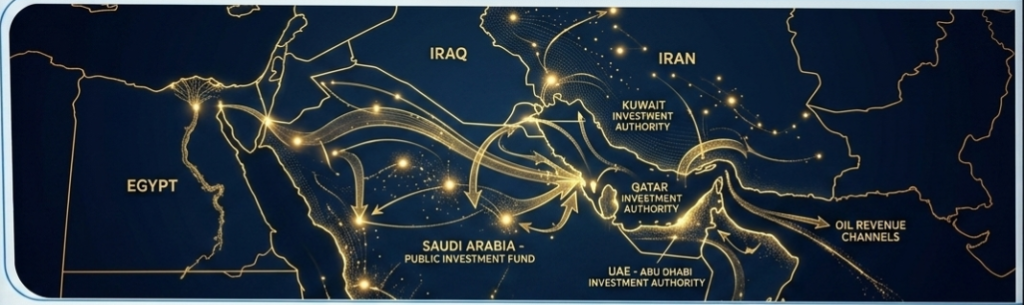
- Gulf State Dominance: Middle Eastern ruling families—most notably the House of Saud and the royal houses of Qatar, Abu Dhabi, and Kuwait—possess the largest combined dynastic fortunes on earth.
- Asian Crown Holdings: Monarchies such as Thailand and Brunei manage multi-billion-dollar portfolios spanning real estate, banking shares, and industrial enterprises.
- Constitutional vs. Absolute Models: While European constitutional monarchies rely heavily on state allowances and historical private estates, absolute monarchies maintain direct oversight of state macroeconomic revenues.
The Mechanics of Sovereign and Dynastic Fortunes
Analyzing how monarchy wealth is generated and sustained involves understanding the legal distinction between personal property, state patrimony, and sovereign trust management.
The Richest Royal Families on Earth
Macroeconomic asset analyses and financial tracking reports highlight the staggering disparity between traditional billionaire indexes and sovereign dynastic net worths:
| Royal Family / Dynasty | Reigning Country | Estimated Collective Net Worth | Primary Sources of Wealth |
| House of Saud | Saudi Arabia | $100B – $1.4T+ | National petroleum reserves, PIF stakes, mega-infrastructure projects |
| House of Nahyan | Abu Dhabi (UAE) | $300B+ | Vast oil reserves, Abu Dhabi Investment Authority (ADIA), global real estate |
| House of Thani | Qatar | $335B+ | Natural gas reserves, Qatar Investment Authority (QIA), international investments |
| House of Bolkiah | Brunei | $20B – $30B | Crude oil and natural gas exports, global capital investments |
| Chakri Dynasty | Thailand | $30B – $40B | Crown Property Bureau, commercial real estate, banking investments |
| British Royal Family | United Kingdom | £10B+ (Off-balance sheet) | The Crown Estate, Duchies of Cornwall and Lancaster, historic art assets |
Key Drivers of Sovereign Dynastic Growth
Examining contemporary monarchy wealth reveals three primary drivers of expansion and capital preservation:
1. Control Over Hydrocarbon and Energy Assets
The immense valuation of Gulf monarchies stems directly from nationalized oil and natural gas production. Unlike private corporations subject to immediate market downturns, absolute monarchies treat natural resource revenues as foundational state capital, leveraging excess cash flows into global venture capital, technology, and real estate.
2. Strategic Real Estate and Crown Estates
From prime central London real estate managed by the British Crown Estate to massive commercial land tracts in downtown Bangkok owned by Thailand’s Crown Property Bureau, land ownership remains a cornerstone of dynastic stability.

The Evolution of European and Asian Royal Finances
While absolute monarchies in the Middle East wield direct control over state capital, constitutional monarchies operate under stricter public scrutiny.
- European Constitutional Models: Monarchies in the UK, the Netherlands, and Scandinavia rely on a mix of state-funded sovereign grants and privately held historic estates. Transparency laws mean their personal fortunes are heavily audited compared to their sovereign counterparts.
- Asian Dynastic Resilience: Monarchies like Japan emphasize intentional financial austerity to maintain public trust, whereas other regional houses utilize massive industrial and banking holdings to secure long-term financial independence.

Conclusion
The study of monarchy wealth demonstrates how historical governance models intersect with modern macroeconomics. Whether through state-backed energy reserves, multi-billion-dollar sovereign investment funds, or extensive real estate portfolios, the world’s reigning royal families control financial resources that significantly eclipse traditional corporate tycoons. As global markets evolve, these ancient institutions continue to adapt by modernizing their portfolios and investing heavily in future economic diversification.
Frequently Asked Questions (FAQs)
What does monarchy wealth encompass?
Monarchy wealth includes a combination of private family estates, historic crown assets, valuable real estate portfolios, and stakes in national sovereign wealth funds or state-owned enterprises.
Which royal family is the richest in the world?
The House of Saud (the ruling royal family of Saudi Arabia) is widely considered the wealthiest royal family globally, with a combined family net worth estimated well into the hundreds of billions or over a trillion dollars when accounting for state energy reserves.
How do constitutional monarchies fund their operations?
Constitutional monarchies—such as those in the United Kingdom or Europe—typically operate through a combination of state-allocated funds (like the Sovereign Grant), income from historic private duchies, and personal investments.
Is royal wealth considered personal property or state property?
The distinction varies by nation. In absolute monarchies, the line between state assets and royal funds is often blurred, whereas constitutional monarchies maintain strict legal boundaries between the sovereign’s personal estate and national property.
1 thought on “Monarchy Wealth: The Richest Royal Families on Earth”